



 Cinema Portal
 Election Portal
 Share Dhani Portal
 Unicode Page
 English Edition
 Share Training
 PREMIUM
 सुन-चाँदीको भाउ
 विदेशी विनिमयदर
 मिति रुपान्तरण
 पेट्रोलको भाउ
 तरकारी/फलफूल भाउ
 आर्थिक राशिफल
 आजको मौसम
 AQI Page



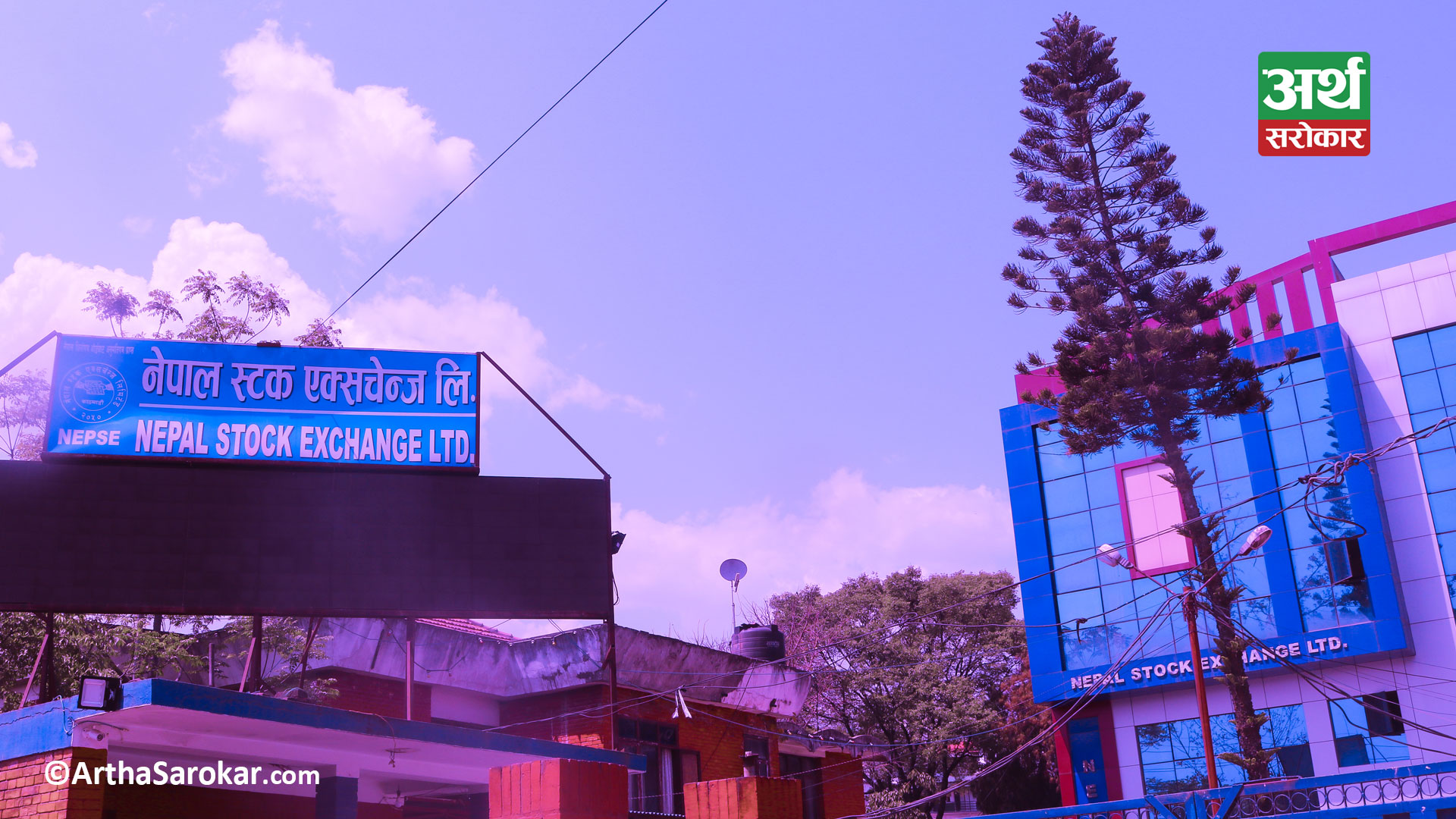
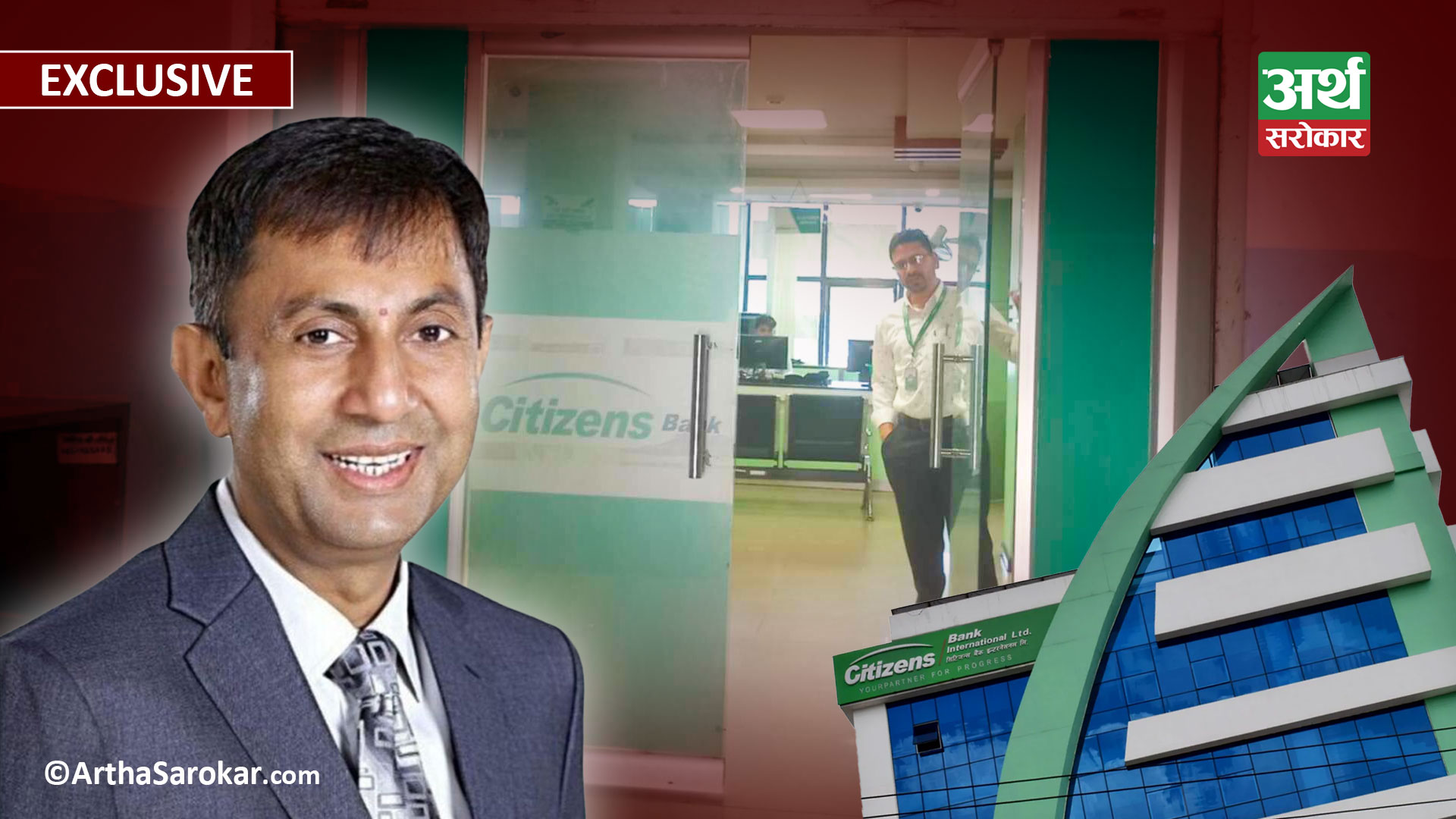
Kathmandu. Lately, the limit of 10 lakh has become a ‘hot issue’ in the stock market. This system is widely discussed in the market as it is mandatory to send a transaction report for trading 10 lakh or more shares in a day.
Moreover, some have opposed the provision saying that it is unnecessarily intimidating investors in the growing market.
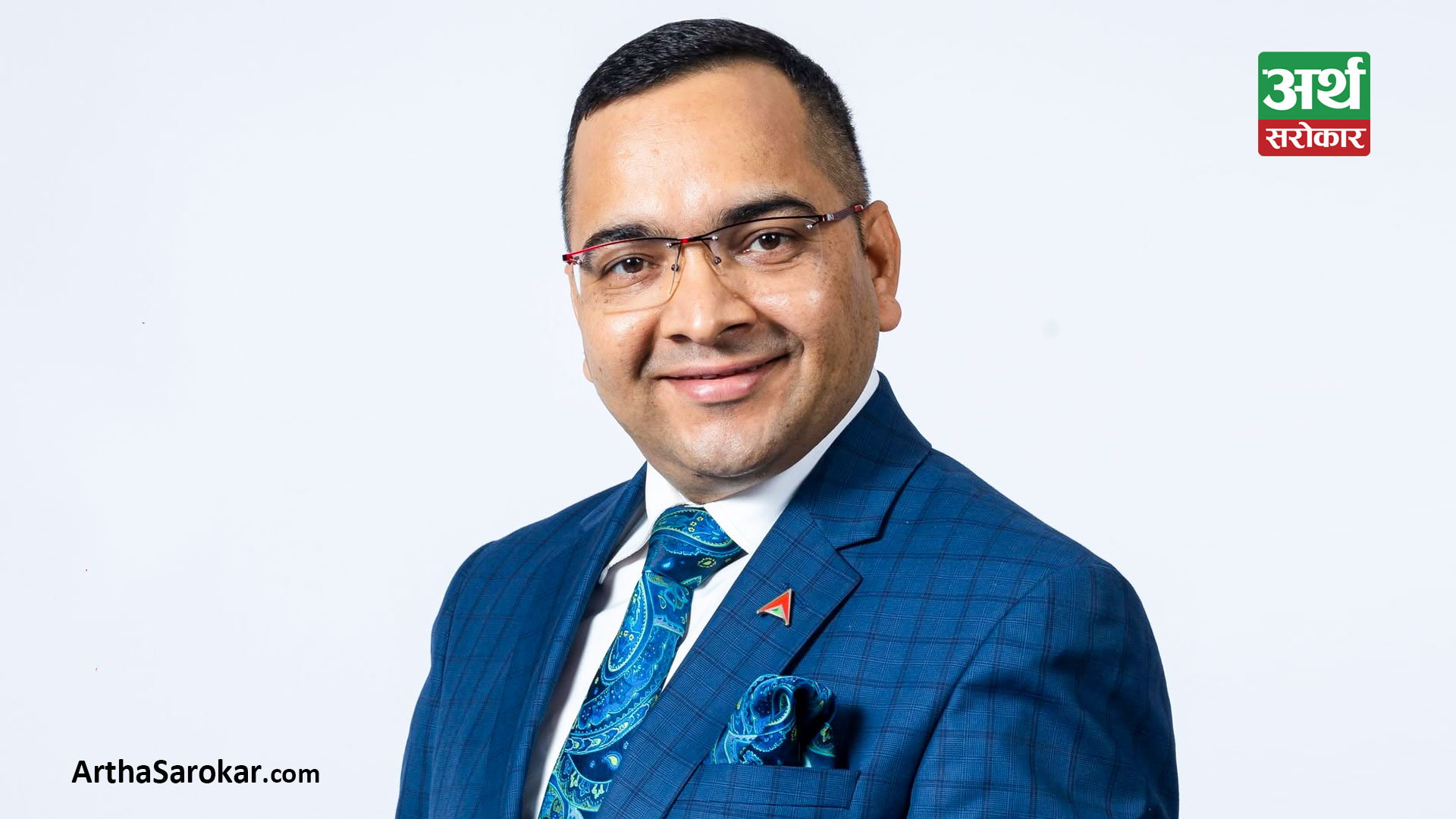
However, banker Manoj Gyawali has said that there is no need to be afraid of investing in the stock market due to this system. He said that this system has been in place for years in the case of bank deposits and the provision regarding the reporting of share transactions is not completely new.
Similarly, the limit of Rs 10 lakh is not a restriction on itself, but it can be related to the reporting and monitoring of transactions as per the applicable rules. He said that there is and should be a monitor on the wrongly earned assets and there should be no fear while investing the earnings as per the rules.
Gyawali’s statement regarding deposits and share transactions of Rs 10 lakh or more is as follows:
AML Rules: Rs. Regarding deposits and share transactions of Rs. 10 lakh or more:
Rules:– Once in a day or repeatedly, Rs. If securities worth Rs 10 lakh or more are bought or sold, the concerned institution should send the transaction report to the Financial Information Unit (FIU-Nepal). The Threshold Transaction Report (TTR) should be sent within 15 days of the transaction.– This system has been in place for years in the case of bank deposits. This system is also not entirely new in terms of reporting share transactions.1. Purpose of the rule– Preventing the act of making illegally earned money appear legitimate.– Controlling corruption, fraud, tax evasion and terrorist financing.– Increase transparency in the banking system and stock market.2. Share trading:– Rs. Applicable to transactions of Rs. 10 lakh or more.-The concerned entity has to send the necessary transaction details to FIU-Nepal.-The source of the transaction amount, the identity of the customer, and the purpose of the investment should be clear.– Rs. Deposits of Rs. 10 lakhs or more are not automatically considered illegal or suspicious.– Depending on the nature of the transaction and the risk, documents regarding the source of funds may be sought.3. Effect– Financial crime control assistance.– Increased transparency and accountability.– Increasing confidence in the financial system.– Assistance to Nepal to get out of the FATF’s Grey List.– The client may need to provide additional documentation.-Broker’s compliance costs may increase.– Legitimate investments and transactions may be affected by unnecessary fear.4. Things the general public should pay attention to– Preserve proof of the lawful source of funds.– Transactions from one’s own bank account.– Do not artificially fragment transactions to circumvent the reporting limit.
Conclusion: Rs. The limit of Rs. 10 lakhs is not a restriction in itself. It may be related to the reporting and monitoring of transactions as per applicable rules. Ill-gotten assets are and should be monitored; There is no reason to be afraid while investing earnings in accordance with GIs and rules.




प्रतिक्रिया दिनुहोस्