



 Cinema Portal
 Election Portal
 Share Dhani Portal
 Unicode Page
 English Edition
 Share Training
 PREMIUM
 सुन-चाँदीको भाउ
 विदेशी विनिमयदर
 मिति रुपान्तरण
 पेट्रोलको भाउ
 तरकारी/फलफूल भाउ
 आर्थिक राशिफल
 आजको मौसम
 AQI Page



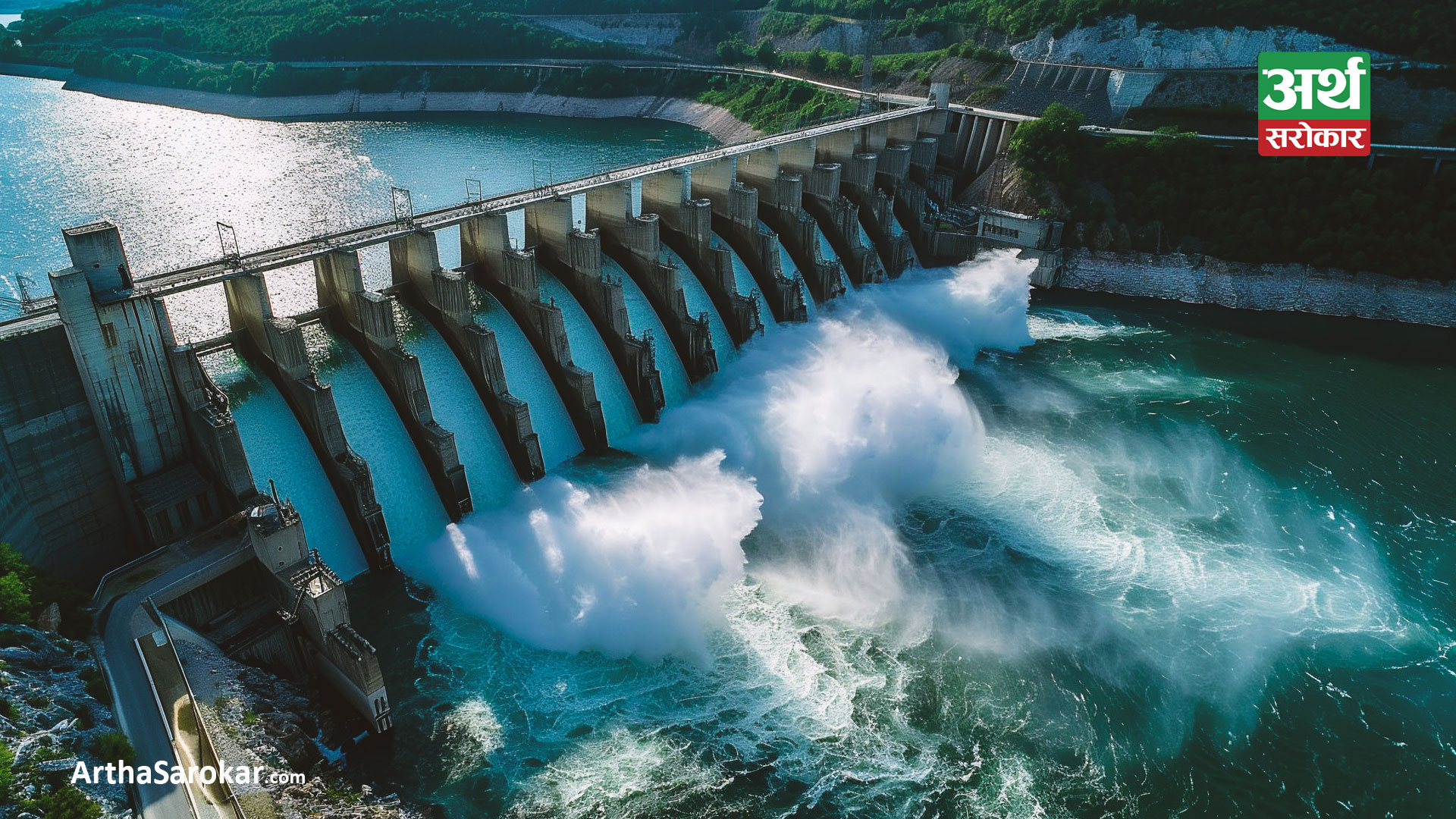
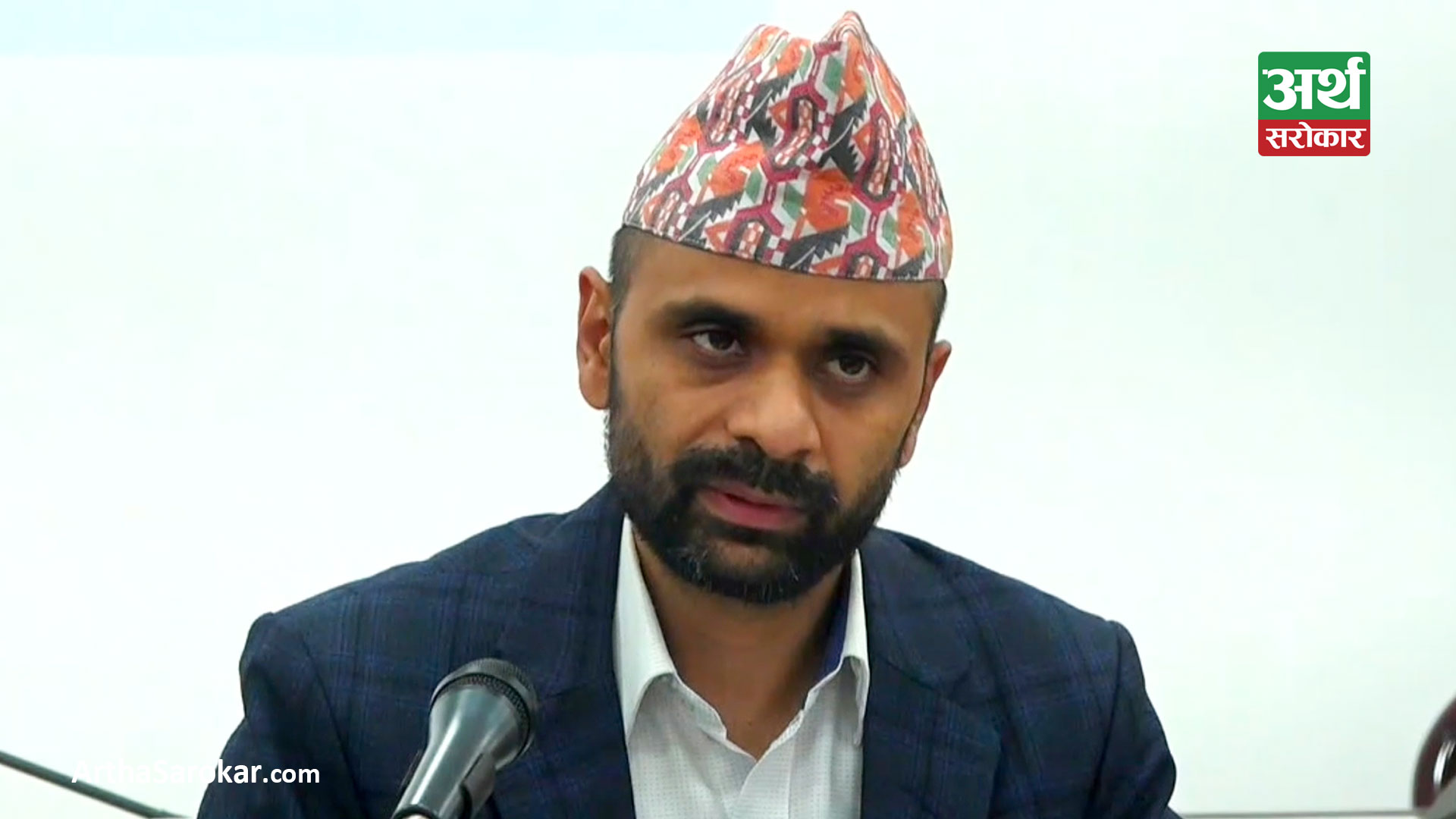
Kathmandu. Chairman of Independent Power Producers’ Association of Nepal (IPPAN) Ganesh Karki said that although the Far-Western Region has potentials for hydropower generation, it has been facing challenges in the implementation of the project due to lack of infrastructure, policy complexities and legal obstacles related to forest.
Speaking at an interaction programme on ‘Possibilities and Challenges of Hydropower Project in Sudurpaschim Province’, Chairman Karki shed light on the possibilities of power generation in the far-western region. Energy sector was the basis for country’s prosperity, he said, underlining the need of keeping energy development in priority than other sectors. Though hydropower is one of the government’s policy priorities, its effective implementation is still challenging, he said.
According to him, the private sector has 85 percent contribution in electricity generation in the country. As of now, around 12,500 megawatts electricity projects are in operation and around 3,000 megawatts have already secured power purchase agreement (PPA). In addition, projects with a capacity of 21,000 MW are in the study and construction process after obtaining license.
Karki said that the Sudurpaschim Province alone has more than 20 per cent potentiality of hydropower and it would be geographically easier to export to India. “There is huge potential of expanding energy trade with neighbouring countries,” he said.
However, the construction of the project has been delayed due to the lack of basic infrastructures including roads, according to Karki. “There is still not enough road network in the Far-West, which has increased both the cost and time of the project,” he said.
According to Karki, legal provisions related to forest area and national park are another major obstacle in the construction of hydropower projects. He said that many potential projects could not move ahead due to the provision prohibiting the construction of projects within the protected area.
He also urged the private sector to provide investment-friendly environment to the private sector, stressing the need of implementing the government’s manifesto and energy policies at the earliest. “The private sector is ready to invest more if the government facilitates it,” he said. According to him, there is a need to expand the domestic market to increase energy consumption and construct transmission lines on time to export additional electricity.
“There will be problems in the sale of electricity as the electricity produced is not transmitted,” said Karki. Stressing the need of increasing the production and use of electricity to reduce dependence on petroleum and gas, he pointed out that hydropower is the main alternative to solve the energy crisis in the long term.








प्रतिक्रिया दिनुहोस्