




 Cinema Portal
 Election Portal
 Share Dhani Portal
 Unicode Page
 English Edition
 Share Training
 PREMIUM
 सुन-चाँदीको भाउ
 विदेशी विनिमयदर
 मिति रुपान्तरण
 पेट्रोलको भाउ
 तरकारी/फलफूल भाउ
 आर्थिक राशिफल
 आजको मौसम
 AQI Page



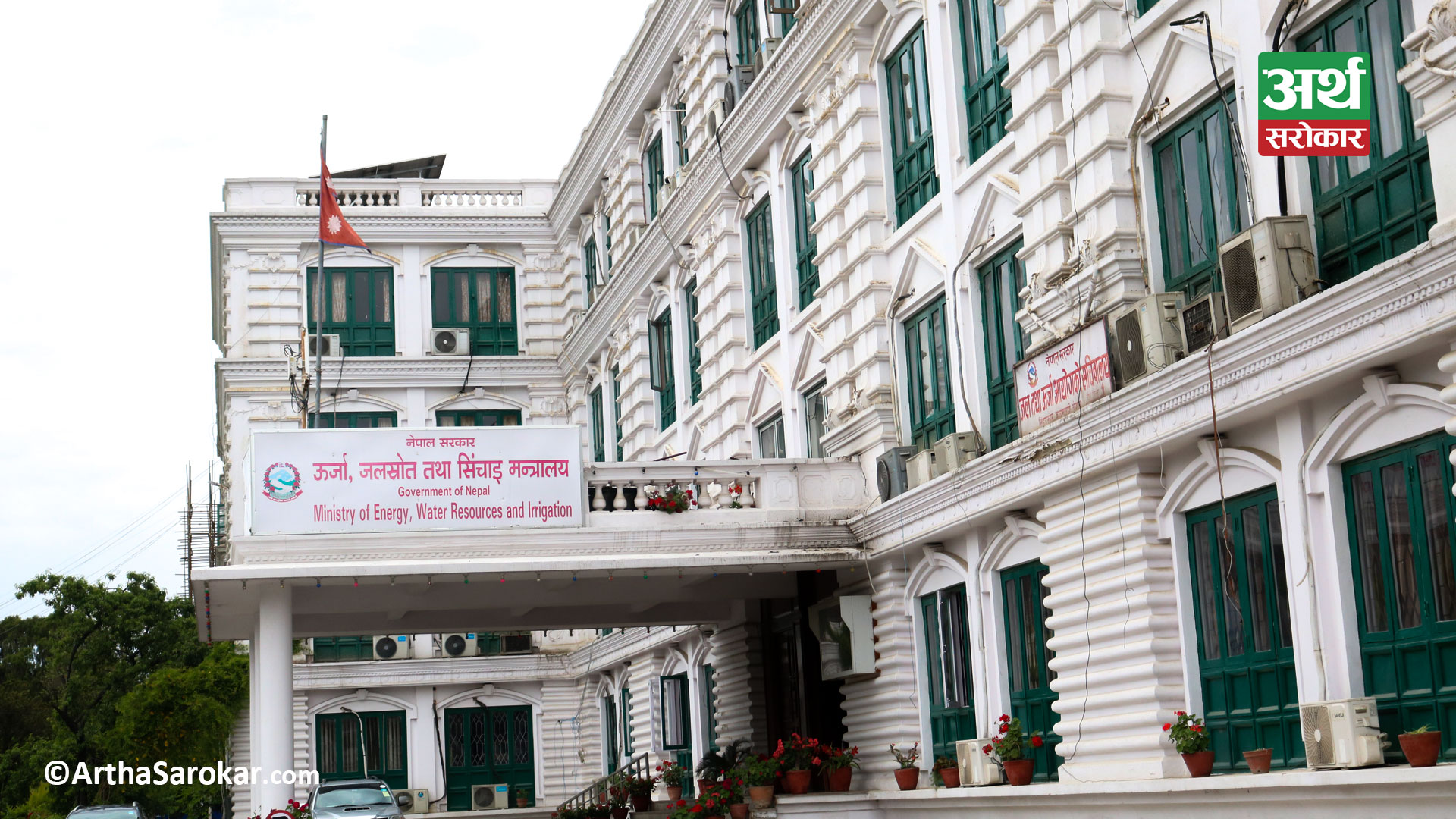
Kathmandu. The government has concluded that there are 13 different challenges in the country’s energy sector and that effective initiatives and investment diversification and legal reforms should be made to solve them. The lack of quality and reliable power supply in the industrial sector is considered as a challenge.
Similarly, the government’s increase in the use of electricity-consuming equipment in the household and commercial sectors, increase the use of electricity in agriculture, irrigation and industrial sectors, and lack of electric vehicle charging infrastructure are also challenges. Similarly, there is a lack of development of electricity-consuming intensive industries such as data centers, green hydrogen, fertilizer producing industries, modern brick kilns, and supplying the surplus electricity to the bilateral, sub-regional and regional markets as exportable goods after meeting the demand for internal electricity. For this, the government concludes that adequate development of internal and inter-country transmission lines and related infrastructures is also a challenge.
The ‘Energy Consumption Enhancement and Export Strategy, 2083’ prepared by the Ministry of Energy, Water Resources and Irrigation calls for the development of large reservoir-based hydropower projects suitable for meeting the domestic demand of electricity and exporting it as per the needs of the regional market. It has also been concluded that the challenges are to maintain harmony between the policies and regulations of neighboring countries and the policies and procedures related to electricity production and import and export of Nepal, as well as the lack of legal provisions for the participation of the private sector in electricity trade.
The ministry has concluded that it is also a challenge to be competitive in the electricity market of neighboring countries due to the high cost of electricity produced in Nepal, to develop Nepal’s national grid system at the level of the neighboring country’s grid system, to develop a competitive electricity market in Nepal and to build a system related to the neighboring country’s electricity market.
The government has taken the opportunity to reduce the annual trade deficit by developing hydropower as an exportable commodity. The possibility of significantly increasing internal consumption by expanding electricity in the transport, domestic and industrial sectors, and being the basis for ensuring long-term energy security through the use of clean electricity energy produced in the country, is taken as an opportunity.
There is ample potential to export the electricity saved after internal consumption to the bilateral, sub-regional and regional markets, and a clear basis to export 10,000 MW of electricity in 10 years as per the long-term power trade agreement signed between Nepal and India. There is a possibility of high demand for energy in neighboring countries India and Bangladesh during the peak season of electricity production in Nepal.
Nepal’s hydropower is an attractive option as a green energy for the neighboring countries with the goal of carbon zero, foreign exchange savings and strengthening the balance of payment position by substituting fossil fuels. There is also an opportunity to increase access to climate finance and carbon markets, and the possibility of building an energy-based economy through the development of energy-intensive industries such as data centers, green hydrogen, chemical fertilizer factories, etc.
The government has set a target of increasing per capita electricity consumption to 1,500 units by 2035 and increasing the total installed capacity to 28,500 MW. Of this, 13,500 MW is targeted for domestic consumption and 15,000 MW for export. According to the government’s ‘Energy Consumption Growth and Export Strategy, 2083’, the export of electricity will increase as expected. A significant reduction in the trade deficit and a significant increase in the contribution of the energy sector to the national economy are considered as expected achievements.
After the implementation of the strategy, the per capita consumption of electricity will reach about 1,500 units and 100 percent of the population will have reliable access to electricity. The average export rate and revenue will increase by increasing the export of electricity. Effective market management of electricity saved by internal consumption will be ensured. It will also reduce environmental pollution and contribute to the achievement of the Sustainable Development Goals.









प्रतिक्रिया दिनुहोस्